September 30, 20263 min readАдминистратор
Japan connects Binance Pay to PayPay for overseas visitors
Eligible overseas users gain another way to pay while Japanese merchants receive yen. The rollout has an important residency boundary.
One purchase can now connect two different payment environments. From 30 September 2026, PayPay supports Binance Pay through HIVEX for eligible overseas users, while merchants receive yen. Binance Japan users residing in Japan are excluded from this rollout.
What changes at the counter
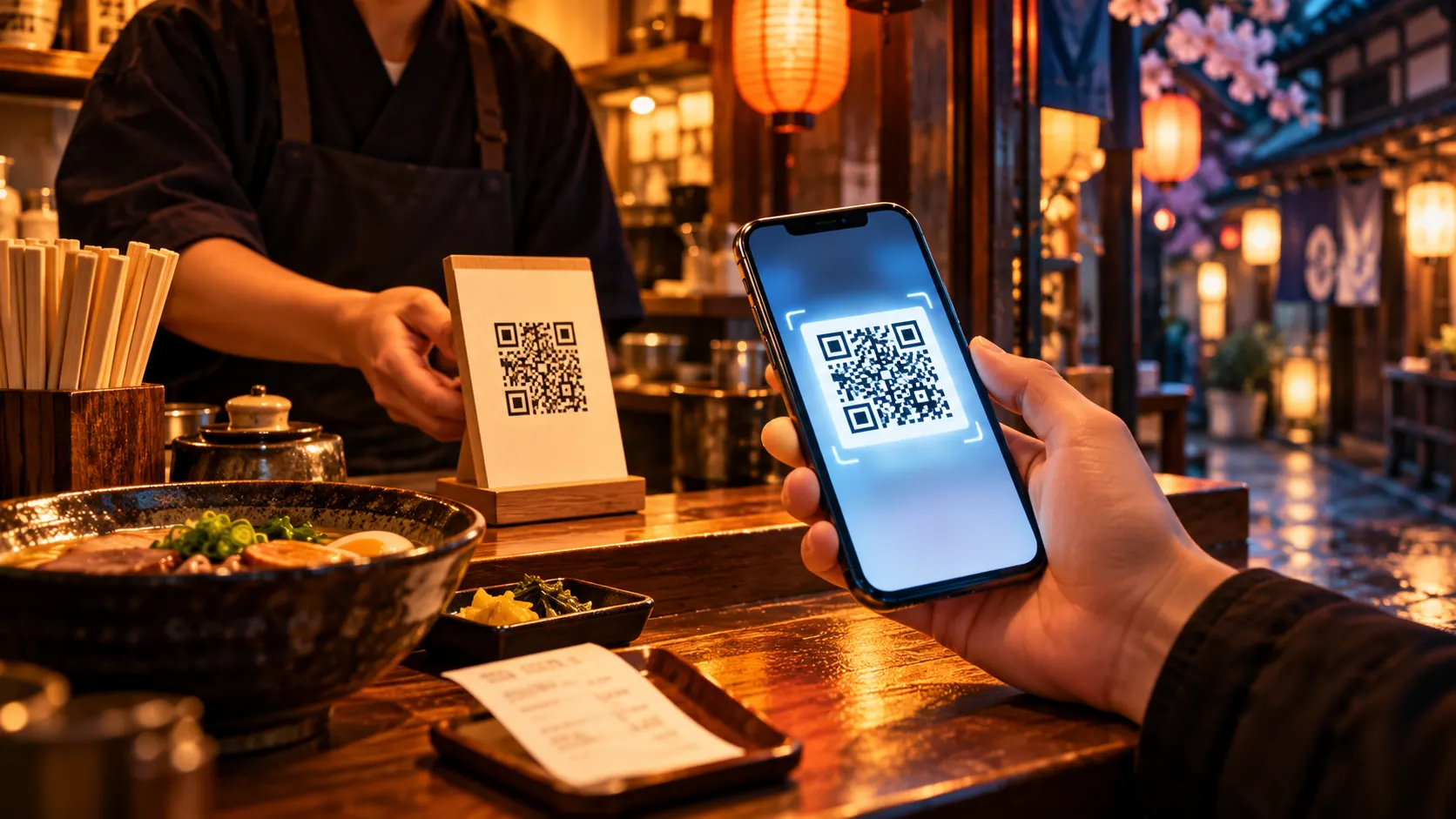
The visitor gets an opportunity to use a familiar payment service while travelling. The merchant can serve that customer without making a digital asset its settlement currency. Separating the customer's payment choice from the merchant's settlement is what makes the model relevant to an ordinary retail operation.
Acceptance needs a careful reading: PayPay specifies merchants supporting both code-presentation modes, CPM and MPM. A network logo on the door should therefore not substitute for checking a particular location and the feature available in the customer's application.
The tourism use case is the important one
The clearest scenario is an overseas visitor at a cafe, hotel or shop counter. That person needs a short journey from a yen price to a confirmed purchase. The fewer explanations the cashier needs to provide, the easier it becomes to test whether the integration genuinely improves the experience.
The merchant still needs a conventional order record: one sale, a known amount receivable and a comprehensible reporting entry. If a customer returns an item after leaving the country, support needs a repeatable process that does not depend on their presence at the till. That is a concrete operational topic for introducing a travel-oriented payment option.
For international payment teams, the interesting development is the distribution model. An overseas wallet reaches an established local acceptance environment while the seller continues running a retail business. The commercial question becomes specific: which visitors actually use the option, and for which purchases?
Measure completed purchases, repeat use and support cases. The potential reach of an application alone cannot demonstrate whether checkout became easier for travellers or more valuable to merchants. This rollout offers a focused setting in which to observe that difference, rather than evidence of universal crypto-payment demand.
What a merchant location should check
If a shop, cafe or hotel in Japan expects overseas visitors, enabling a new travel-oriented channel deserves a simple review:
- Does the location support both code-presentation modes, CPM and MPM, and do staff know which one to use in each situation?
- How does the transaction appear in the till system and reports: can it be distinguished from an ordinary PayPay payment, and does accounting need that?
- What is the refund procedure for a customer who has already left the country, and who in the store handles those requests?
- Is there a short staff note for declined payments, so the cashier can offer another method without a long explanation?
- Which fees and yen settlement timelines apply to this channel under the location's merchant agreement?
What to watch next
For payment teams outside Japan, the rollout is interesting as a model rather than a ready-made template. Useful signals include how quickly the number of locations where the channel genuinely works grows, how often travellers use it again and how many support questions it generates. Those indicators will show whether the arrangement is convenient in practice.
The limitations matter too. The rollout covers only eligible overseas users, so judging it against the total audience of crypto wallets would be misleading. Availability also does not equal demand: visitors may keep using cards if those feel more familiar. It is more realistic to treat the channel as an addition rather than a replacement, and to judge it by completed sales in specific categories.
Comments · 0
No comments yet — be the first.
Log in · log in to leave a comment.